
How to Pay Off Credit Card Debt Without Feeling Stuck
Credit card debt can feel like walking up a moving escalator. You send money in, the balance drops a little, then interest shows up and pulls it back up. With rates staying high, that feeling is common. In November 2025, the commercial bank interest rate on credit card plans (all accounts) was 20.97%. And in Q3 2025, U.S. credit card balances totaled $1.23 trillion.
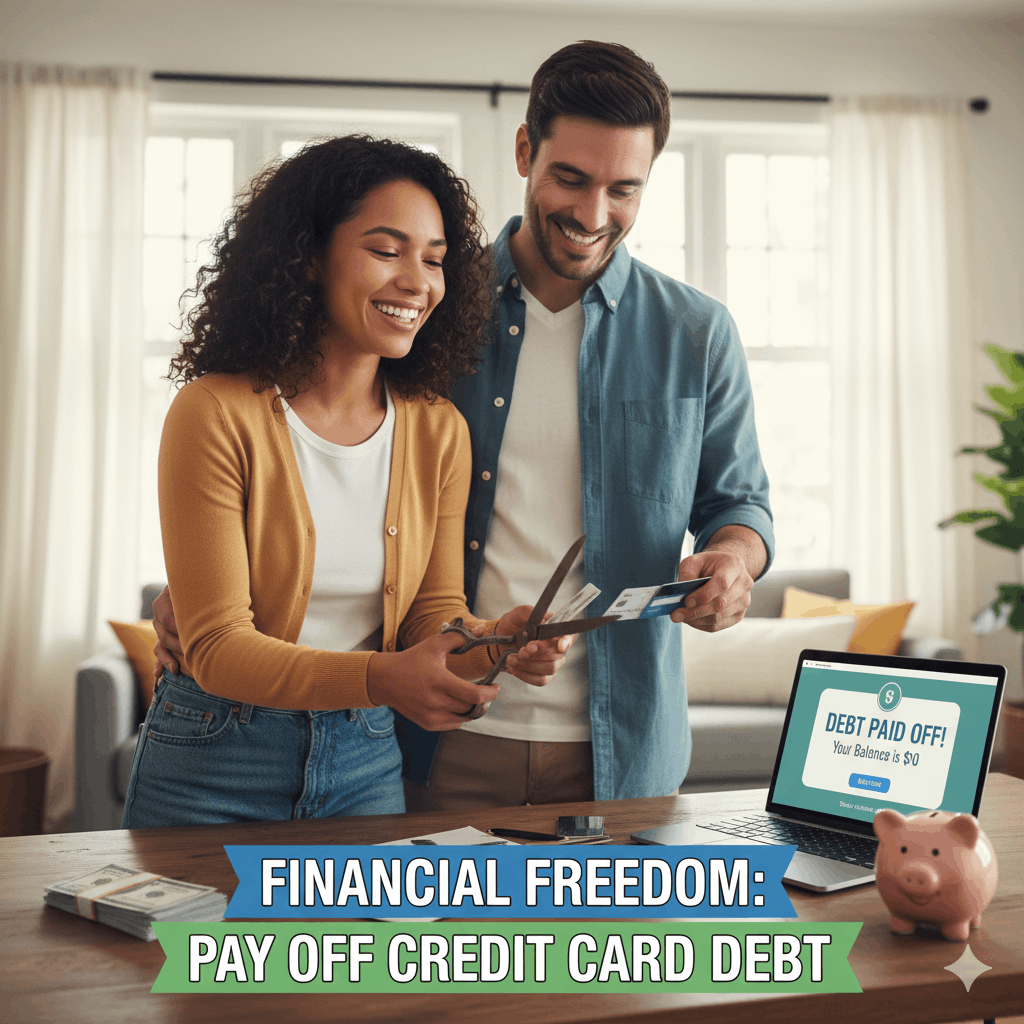
This guide is built for real life: bills, stress, uneven income months, and the mental drag of a balance that never seems to leave. You’ll get a full plan to pay off credit card debt, pick the right payoff method, cut interest pressure, handle rough months, and stop new debt from replacing the old debt.
What “stuck” really means with credit card debt
Feeling stuck usually comes from one of three patterns.
One pattern is the minimum payment trap. Many issuers calculate minimums as a small slice of your balance, often around 2% to 4% for a flat percentage approach. That keeps the account current, yet the timeline can stretch out for years.
Another pattern is high interest credit cards eating your progress. When APR is high, a big part of your payment goes to interest, not principal. That is the “I paid and nothing changed” feeling.
The last pattern is cash flow pressure. Rent, groceries, fuel, medical costs, family support, or income swings can push the card back into use. The balance drops, then climbs again. The fix is not willpower. The fix is a plan that matches your cash flow and reduces interest fast.
A quick reality check with current numbers
A lot of people are carrying balances right now. A Bankrate survey published in January 2026 reported 47% of credit cardholders have a balance, and 61% of people with card debt have been in debt for at least a year.
Average balances vary by age and income, yet the overall picture helps set expectations. Experian’s research reported the average credit card balance was $6,735 in June 2025.
Delinquencies matter too, not as a scare tactic, just as a signal of how tight things can get. The delinquency rate on credit card loans at all commercial banks was 2.98% in Q3 2025.
If your situation feels heavy, you are not alone. The goal here is steady progress that you can keep going.
Credit card debt payoff starts with one clean snapshot
Before you pick a payoff strategy, take a simple snapshot. This becomes your credit card debt repayment plan.
Gather the numbers you need
For each card, write:
- Balance
- APR
- Minimum payment
- Due date
- Credit limit
This is enough to build a monthly debt payoff plan and spot the fastest wins.
Know your cash flow, not just your budget
Budgets can look great on paper and still fail in real life. Cash flow management for debt is about timing.
Write down:
- Paycheck dates
- Bill dates
- Minimum payment due dates
If due dates cluster early in the month, ask issuers to move due dates. Many issuers allow it. A small change in timing can stop late fees and stop the stress loop.
Build a starter emergency fund while paying debt
A tiny emergency fund protects your progress. This is not a big savings goal. It is a buffer that keeps you from swiping the card for a tire, medicine, or a surprise bill.
Even $200 to $500 can break the “new debt” cycle. Keep it in a separate place, not your daily spending account.
Stop new credit card debt before you try to eliminate credit card debt
You can pay off credit card debt faster when the balance stops growing. That means creating guardrails.
Use a spending “bridge” for the next 30 days
If you rely on cards for basics, removing them overnight can backfire. Use a bridge plan:
- Pick one card for essentials only for 30 days
- Freeze all other cards from new spending
- Put a hard cap on the essentials card amount
This is not about perfection. It is about stopping random purchases from hijacking your plan.
Automate credit card payments to avoid late fees
Late fees waste money and can trigger penalty APR on some accounts. Set auto pay for at least the minimum on every card. Use reminders for the extra payment you’ll put toward the target card.
This single move protects your payment history and keeps your plan stable.
Minimum payment vs full payment
Paying in full is the cleanest way to avoid interest. Many people cannot do that right now, so the workable aim is: minimums on every card, one extra payment on one target card.
When you can pay more than the minimum, your payoff timeline shrinks fast.
Pick a credit card payoff strategy you will keep doing
There are two classic debt payoff methods that show up across personal finance debt management advice: the debt snowball method and the debt avalanche method.
Debt snowball method
Snowball means you pay the smallest balance first, then roll that payment into the next balance. The psychological benefits of debt snowball are real: a quick win can increase follow-through. Research from Kellogg has discussed that tackling small balances first can increase the chance of eliminating debt.
Snowball fits people who need motivation and visible progress early.
Debt avalanche method
Avalanche means you pay the highest APR first, then move to the next highest APR. The mathematical advantage of debt avalanche is interest savings. If you have high interest debt payoff pressure, avalanche often reduces total interest paid.
Avalanche fits people who stay consistent even without quick wins.
Which debt payoff method is better
If you have a history of stopping plans after a few weeks, snowball often works better in real life. If you track numbers and stay steady, avalanche often wins on cost.
You can blend them:
- Snowball your first one or two quick wins
- Switch to avalanche for the rest
That hybrid approach can give motivation and interest savings.
Step by step debt payoff plan you can start this week
This is the core plan for how to pay off credit card debt without getting stuck again.
Step 1: Set your baseline monthly debt payoff plan
Calculate:
Monthly minimums total + your extra payoff amount = your debt payoff budget.
If the extra amount is small, that is fine. Even $25 extra matters. Consistency matters more than size.
Step 2: Choose the payoff order strategy
Pick snowball or avalanche. Write your payoff order list and tape it somewhere visible.
This reduces decision fatigue. You are not rethinking the plan every month.
Step 3: Make two payments per month when possible
Interest is often calculated daily. Two payments can reduce average daily balance, which can reduce interest charges.
If you get paid twice a month, split your target-card extra payment into two.
Step 4: Put every “found dollar” into the target card
Found dollars are:
- Refunds
- Gift money
- Cashback
- Selling unused items
- A one-time bonus
This is one of the fastest ways to pay off credit cards without changing your whole life.
Step 5: Keep minimums protected
If money gets tight, protect minimums first. Missing minimums can create late fees, damage your credit, and raise stress. Auto pay helps.
Fastest way to pay off credit cards when interest is high
High interest credit cards punish slow payoff. The goal is to shrink interest as early as possible.
Lower credit card interest rate by calling the issuer
Calling your card company can work, mainly if you have a decent payment record. Ask for:
- A lower APR
- A temporary APR reduction
- A hardship program
A recent Bankrate report highlights how many people carry balances long-term, which adds pressure to ask for relief sooner.
What to say:
- State you want to keep the account in good standing
- Ask for a lower rate or a temporary reduction
- Ask what options exist for your account
If they say no, ask what needs to be true for a future yes: time, payment history, balance level, or a new offer.
Credit card hardship program
Hardship programs vary. Some reduce APR for a set period. Some set a fixed monthly payment. Some freeze the account from new use.
This can be a turning point for pay off credit cards fast goals, especially if the balance is growing each month.
Stop credit card interest with a 0% APR balance transfer
Balance transfer credit cards with a 0% APR balance transfer offer can reduce interest for a promotional period. This can work well when:
- You can pay down the balance inside the promo window
- The transfer fee is reasonable for your balance size
- You stop new purchases on the old card
Balance transfers can fail when someone transfers debt, then starts spending again. That creates two balances.
Personal loan for credit card debt
A credit card debt consolidation loan can reduce interest and create a fixed payoff timeline. A personal loan for credit card debt can help when:
- Your current APR is very high
- You can qualify for a lower loan rate
- You will not rebuild card balances after consolidation
A consolidation loan is not magic. It is a tool. The win comes from keeping card spending under control after the payoff.
Credit utilization ratio improvement and your credit score
Credit utilization ratio improvement often happens early in the payoff process. Utilization is your balance compared to your limits on revolving credit.
When you reduce credit card balance, utilization drops. That can improve credit score by paying debt, sometimes faster than people expect, since utilization is a major factor in common scoring models.
If your goal includes loan approval, mortgage approval, or better interest rates, utilization management matters during payoff.
Simple moves:
- Pay before the statement closes, not just before the due date
- Spread balances across cards if one card is near maxed out
- Ask for a credit limit increase only if you will not spend more
Budgeting to pay off credit cards without breaking your life
Budgeting to pay off credit cards fails when it feels like punishment. The plan needs breathing room.
Start with a “boring month” budget
For one month, avoid big optional spending and redirect that money to the target card. Not forever. Just one month.
This creates a jump in progress. Seeing the balance drop can build momentum.
Cut expenses to pay off debt without going extreme
Look for the “quiet leaks”:
- Subscriptions you forgot
- Delivery fees
- Bank fees
- High phone plans
- Convenience purchases that happen daily
You do not need a dramatic lifestyle shift. You need a repeatable shift.
Side hustle to pay off credit cards
A short-term side hustle can shorten payoff time. The goal is not a second career. The goal is a defined target:
“I want $200 extra per month for six months.”
Then stop or reduce it after the target is hit.
Pay off credit cards with low income
Low income payoff plans still work with two priorities:
- Protect minimums
- Put a small extra payment toward one target card
If your extra amount is $10 weekly, that still counts. Over a year, it becomes a real balance reduction.
Pair it with hardship options and rate reduction calls when APR is crushing you.
Debt snowball vs debt avalanche with credit card debt payoff
Most people ask: snowball vs avalanche debt payoff, which is better?
Snowball method pros and cons
Pros:
- Early wins
- Motivation rises as accounts close
- Simpler to follow
Cons:
- Higher interest may stay longer on some balances
- Total interest can be higher than avalanche
Avalanche method pros and cons
Pros:
- Often saves more interest
- Often pays off high APR cards faster
Cons:
- Progress can feel slow early
- Motivation can drop if the first balance is large
A decision rule that keeps you moving
Pick snowball if you need quick wins to keep going.
Pick avalanche if you can stay steady without quick wins.
If you still feel unsure, do a quick test: imagine paying for three months. Which plan do you still see yourself doing? Pick that plan.
Consolidate credit card debt or keep the cards and pay them down?
Both paths can work. The best debt repayment strategy is the one you can keep steady.
Credit card debt consolidation loan: when it fits
It fits when:
- Your credit qualifies for a meaningfully lower rate than your card APR
- Your income is stable enough for a fixed payment
- You will not keep using the cards the same way
It fails when:
- The rate is not much better
- Fees eat the savings
- Cards get used again and balances rebuild
0% APR balance transfer: when it fits
It fits when:
- You can pay it down inside the promo period
- You can handle the transfer fee
- You stop using the old card for new purchases
It fails when:
- The balance is too large for the promo period
- The promo ends before you made progress
- Spending restarts on other cards
Debt management plan through credit counseling
Credit counseling for credit card debt can set up a debt management plan (DMP). A DMP may reduce interest rates and set a structured payment schedule, often with accounts closed to new charging.
This can help when you feel stuck and need structure. It can be a clean alternative to settlement options.
Negotiate credit card debt without wrecking your future plan
Negotiation can mean different things.
Lower credit card interest rate
This is the best first move. Lower APR helps you reduce credit card balance faster.
Payment plan or temporary relief
Some issuers offer payment plans or hardship arrangements that reduce APR for a period.
Credit card settlement options
Settlement is often a last-resort move. It can reduce the amount owed, yet it can damage credit and may trigger tax consequences depending on local rules and forgiven amounts. It can be part of a path out, yet it is rarely the smoothest path.
If you are considering settlement, compare it to a DMP. A DMP can reduce interest and keep you paying the full principal over time.
Avoid new credit card debt after you pay off credit cards
A payoff plan is not finished when the balance hits zero. It is finished when the behavior loop changes.
Keep one card “boring”
Use one card for one bill you pay monthly, then pay it off. This keeps accounts active and keeps your routine intact.
Keep the emergency fund alive
When you pay off a card, redirect that payment into the emergency fund until it reaches a level that covers one month of essentials.
That fund becomes your protection against a relapse into credit card debt.
Create rules for future card use
Rules are simple and personal. Examples:
- No card use for non-essentials until the statement can be paid in full
- No new card applications during payoff
- No store cards at checkout
Credit card payoff calculator and timeline planning
A credit card payoff calculator can help you see the timeline. You do not need a fancy tool. A simple approach works:
- Balance
- APR
- Monthly payment
Then test two scenarios:
- Your current payment
- Your payment with a small increase
That comparison can be motivating, since small increases often cut months or years off the payoff.
If you want a more detailed view, build a simple spreadsheet with each card, then track monthly balance reduction and interest paid.
What to do when you feel stuck again
Stuck feelings often show up mid-plan. Progress can slow when the remaining balances are larger.
Use a reset week:
- Review spending for the last 7 days
- Cancel one expense that does not matter much
- Put that money into the target card
- Make one extra payment right away
A single extra payment can restart momentum.
If life events hit, move into protection mode:
- Minimums on all cards
- Emergency fund for real emergencies
- Use hardship options if needed
Then return to the main plan when the storm passes.
Common mistakes that drag out credit card debt payoff
Paying extra on every card at once
That spreads your effort thin. One target card at a time tends to move faster.
Paying after the statement close every time
Paying earlier can reduce reported balances and interest pressure.
Cutting spending too hard
If the plan feels miserable, it often breaks. A smaller plan that lasts beats a harsh plan that ends.
Ignoring interest rate reduction options
A lower APR can change the whole payoff picture. With credit card interest rates around 20% in late 2025, rate reduction matters.
Conclusion
Pay off credit card debt with a plan that protects minimums, targets one balance at a time, and lowers interest wherever possible. Pick debt snowball method or debt avalanche method based on the style you will stick with, then keep the monthly debt payoff plan simple enough to survive real life.


