

How to Cut Monthly Expenses Without Feeling Like You’re Missing Out
Most people can reduce monthly expenses without turning life into a strict routine. The trick is choosing cuts that remove waste while protecting the parts of your week that feel good. When people try to lower monthly expenses by cutting everything at once, they usually bounce back the next month with bigger spending. A better approach is steady monthly expense reduction: keep your favorite things, cut the money leaks you barely notice, then lock those changes into a simple system.
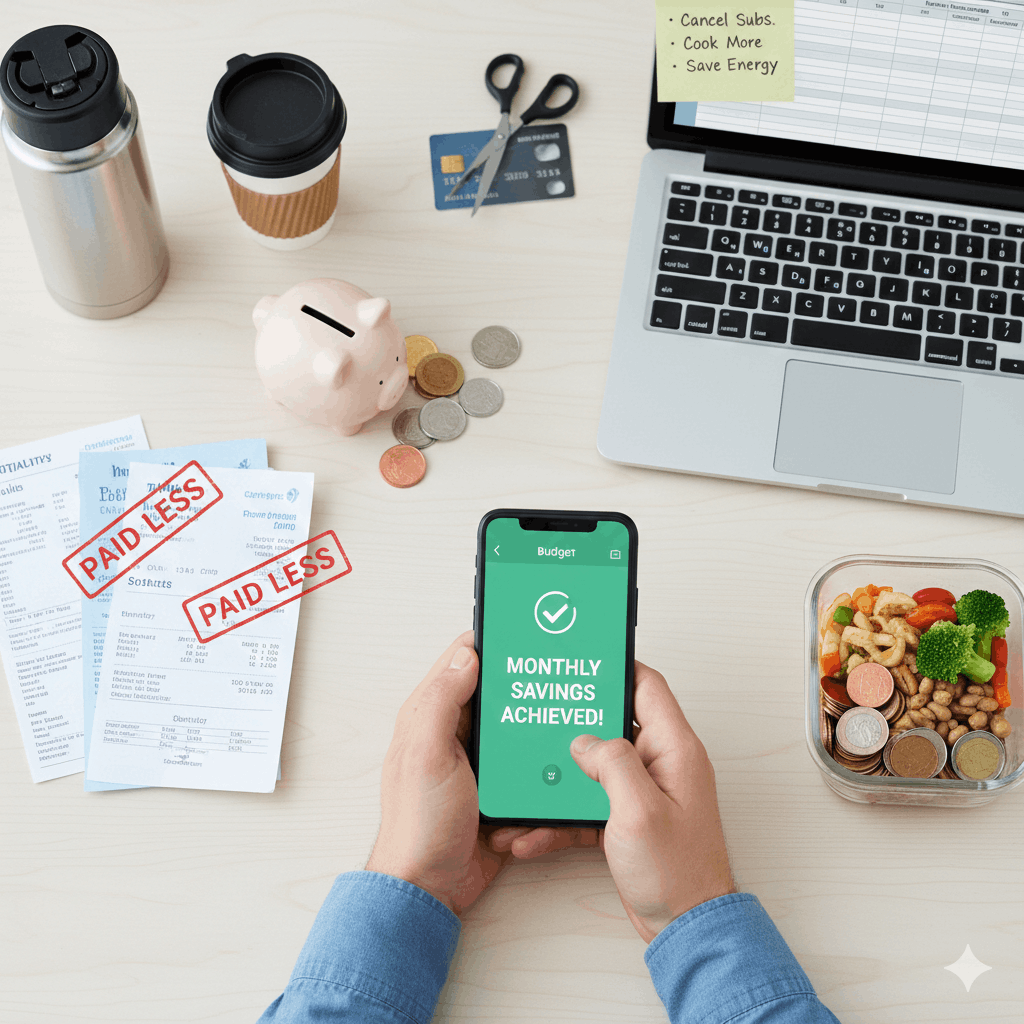
This guide shows how to cut monthly expenses in a way that still feels like a normal life. You will see expense reduction strategies for fixed bills, variable spending, and the “in-between” areas that drain cash. You will get a simple method for expense tracking, ways to control spending habits without guilt, and practical money saving techniques that help you save money each month.
What it really means to reduce monthly expenses
To reduce monthly expenses, you are trying to shrink the gap between what you earn and what you spend, month after month. One-time savings feel great, yet recurring savings change your life. A single cut that saves $25 a month becomes $300 across a year. Three or four of those changes can become a meaningful monthly savings strategy without harsh sacrifice.
Monthly expense reduction comes down to three categories:
Fixed bills that repeat and feel non-negotiable, like rent, loan payments, insurance, phone plans, and many subscriptions.
Variable spending that changes with choices, like groceries, fuel, eating out, shopping, and entertainment.
Hidden leaks that do not feel large in the moment, like fees, unused memberships, impulse buys, and auto-renewals.
When you lower household expenses, the goal is not to “never spend.” The goal is monthly expense control that still leaves space for joy.
The “keep your top 3” method, so you do not feel deprived
Many people fail at frugal budgeting because they cut the things they care about most. That creates resentment and rebound spending. Try a different rule.
Pick three “joy categories” you keep on purpose. Examples:
A weekly meal out, a fitness class, a hobby, a monthly family outing, a streaming service you truly use, a coffee ritual you enjoy.
These become your protected choices. They make the plan feel fair.
Now choose where you will reduce discretionary spending. That is where you cut nonessential spending, eliminate unnecessary expenses, and build financial discipline without feeling like you are missing out.
This method builds smart spending habits since it forces a clear trade-off: keep what matters, drop what does not.
A 30-minute monthly reset that makes expense cuts stick
This is the foundation for budgeting to reduce expenses. It is simple, repeatable, and works for household budgeting and personal finance budgeting.
Pull last month’s spending
Use your bank app, spreadsheet, or notes. You do not need perfect categories on day one. The goal is to track monthly expenses in a way you can repeat.
Label spending into four buckets
Needs: rent, utilities, groceries, transport, medication.
Commitments: debt payments, insurance, phone plan, childcare, education costs.
Fun: dining out, entertainment, hobbies, shopping.
Leaks: unused subscriptions, fees, impulse buys, convenience spending, forgotten renewals.
This helps monthly budget planning since it shows what is required, what is chosen, and what is accidental.
Split your targets into fixed and variable
Write down your fixed expenses and variable expenses. This creates clarity on reduce fixed expenses versus reduce variable expenses.
Fixed expenses cuts usually come from negotiation, switching plans, refinancing, or changing terms.
Variable expenses cuts come from habits: food, fuel, shopping, and day-to-day choices.
Choose five targets for this month
Pick five targets that will lower monthly expenses without wrecking your routine. Five is enough to create change, small enough to follow.
Start where the money is: high-impact monthly expense reduction
You can reduce living expenses in many ways, yet the biggest wins often come from a few areas:
Housing, utilities, groceries, transport, subscriptions, and interest.
Even small changes in those categories can minimize monthly costs and improve cash flow.
Housing and bills: lower your biggest monthly costs without drama
Housing is often the largest line item, so reducing housing expenses can change everything. Not every option is available to every person, yet even small adjustments can help.
Save on rent or reduce housing expenses
If you rent, saving on rent can come from a few realistic moves:
Negotiate rent at renewal time, using calm facts. Ask for a smaller increase, a longer lease with stable pricing, or a small concession like a free month spread across the lease.
Offer reliability. Landlords value tenants who pay on time and keep the unit in good shape.
Consider a roommate, shared housing, or a smaller unit if the budget is truly strained. This can lower cost of living fast, though it is a bigger life change.
If you own a home, reducing housing expenses can include cutting insurance costs, changing utility usage, or reviewing loan terms.
Refinance loans and lower interest payments
Refinance loans can reduce monthly payments in some cases. Lower interest payments can free cash each month. The right time depends on your rate, fees, and your long-term plan.
Even if refinancing is not an option, you can still reduce debt payments pressure by choosing a clear payoff strategy and avoiding new balances.
Lower internet and phone bills
Lower internet and phone bills is one of the easiest “call and fix” wins.
Ask for a cheaper tier, remove add-ons, drop features you do not use, or move to a plan that matches your real data usage. A lot of people pay for unused data, extra lines, or premium packages by default.
Negotiate bills using simple bill negotiation tips
Negotiating is not about arguing. It is about asking for the lowest-cost option that still fits your needs.
Bill negotiation tips that work:
Be direct: “I need a lower monthly price.”
Ask for available promotions, loyalty discounts, or retention offers.
Ask what happens if you remove extras.
Take notes. If the first agent cannot help, call again.
This approach supports monthly savings strategies with minimal lifestyle change.
Utilities: lower utility bills without living in discomfort
Utilities are a classic place to cut household costs in a way you barely feel. Your goal is to lower utility bills and reduce electricity bill waste, not to turn your home into a strict environment.
Reduce electricity bill with a few practical moves
Focus on the habits that repeat:
Switch lights off in empty rooms, yet do not obsess. Use reminders in shared spaces.
Use fans or layered clothing to reduce AC/heater use during mild weather.
Unplug rarely used appliances that silently draw power.
Run full loads for laundry and dishwasher.
If you can, shift heavy use to off-peak hours where pricing supports it.
Control water and home energy waste
Shorten showers by a couple minutes.
Fix leaks quickly.
Use cold-water washes for many loads.
These are money saving techniques that help minimize monthly costs while keeping comfort.
Groceries and dining: cut grocery bills without feeling punished
Food is one of the best places to reduce variable expenses since it changes daily. The goal is grocery savings tips that feel realistic.
Meal planning to save money, without turning food into a chore
Meal planning to save money does not need fancy recipes. It needs repeatable structure.
Pick two to three “base meals” per week. Rotate them. Use overlapping ingredients.
Examples:
Rice bowls, pasta dishes, eggs with vegetables, lentils, chicken trays, soups.
This reduces food expenses since it lowers waste and stops random purchases.
Cut dining out costs while keeping social life
Cut dining out costs does not mean never eating out. It means controlling frequency and choosing your moments.
Set a weekly dining limit you can enjoy.
Choose lunch out instead of dinner out sometimes, since it often costs less.
Try “one planned meal out” rather than random eating out triggered by stress or lack of food at home.
This approach reduces discretionary spending while keeping enjoyment.
Grocery savings tips that work month after month
Cut grocery bills with a few consistent rules:
Shop once or twice a week, not daily.
Buy in bulk savings for items you truly use: rice, pasta, oats, frozen vegetables, cleaning basics.
Use coupons and discounts when they fit items already on your list, not random deals.
Build a simple “house basics” list and stick to it.
These habits support monthly expense control without heavy tracking.
Transportation: lower transportation costs and save on gas and fuel
Transport can quietly inflate monthly bills, especially with frequent small trips and convenience driving.
Save on gas and fuel with planning, not pressure
Combine errands into one trip day.
Plan routes to avoid backtracking.
Keep tires properly inflated, since low pressure increases fuel use.
Remove heavy clutter from your trunk.
These steps reduce fuel consumption without changing your lifestyle.
Reduce car expenses beyond fuel
Reduce car expenses by looking at the full picture: insurance, maintenance timing, repairs, and usage.
Stay on top of basic maintenance. Small issues become expensive issues when ignored.
Review car insurance terms and deductibles with caution. Lower premiums can help, yet you still need enough coverage for your situation.
Public transport savings and work from home savings
Public transport savings can be huge in some cities. Even one or two days a week can reduce fuel, parking, and wear on your car.
Work from home savings can show up in fuel, lunch spending, coffee runs, and time.
If you cannot work from home, you can still build “commute rules” like meal prep and a no-impulse stops plan.
Subscriptions and entertainment: reduce subscription costs and keep fun
Subscriptions are one of the easiest places to reduce monthly expenses since many are not truly used.
Cancel unused subscriptions and rotate streaming
Cancel unused subscriptions first. That is immediate monthly expense reduction.
For entertainment, streaming service savings can come from rotation:
Keep one main service this month, switch next month, then switch again.
You still get fresh content while cutting stacked bills.
Cut entertainment expenses with low cost entertainment
Cut entertainment expenses does not mean sitting at home doing nothing. Low cost entertainment can still feel like a life:
Free local events, parks, community sports, home movie nights, game nights, library resources, walks with friends, low-cost cooking nights.
Keep one or two fun routines you love. That supports the “not missing out” promise.
Shopping: smart shopping tips that stop impulse spending
Shopping is often where people feel shame, then avoid tracking. A better approach is calm systems.
Avoid impulse buying with one rule that works
Use a 24-hour pause for non-essential purchases. Save the item in a list. Buy only after a day.
This is one of the strongest ways to control spending habits and cut nonessential spending without feeling restricted.
Save on shopping with clear boundaries
Set a monthly shopping limit for non-necessities.
Choose “one in, one out” for clothing and small household items.
Delay upgrades unless something truly breaks.
These habits help eliminate unnecessary expenses while staying realistic.
Cashback and rewards savings, used carefully
Cashback and rewards savings can help, yet only when spending stays planned.
Use rewards on groceries or bills you already pay.
Avoid using rewards as a reason to buy extra items.
This supports expense management, not extra spending.
Insurance, childcare, and education: pressure points for families
Families often need specific expense reduction strategies in these categories.
Reduce insurance premiums and save on health insurance
Reduce insurance premiums by reviewing:
Coverage levels, deductibles, add-ons you do not need, bundling options where it makes sense.
Save on health insurance depends on your country and plan types, yet the general idea is the same: review coverage annually, check for unused add-ons, and compare options during enrollment windows.
Reduce childcare costs and reduce education expenses
Reduce childcare costs by exploring schedule changes, shared care arrangements with trusted family, or alternative programs where safe and practical.
Reduce education expenses by reviewing recurring costs like activities, supplies, transport, and subscriptions tied to school needs. Many families carry “legacy costs” that no longer fit the current year.
Debt and interest: reduce debt payments pressure and lower credit card bills
Debt is not only a total balance issue. It is a monthly expense issue. Lower credit card bills often come from reducing interest and stopping new balances.
Debt reduction strategies that reduce monthly pressure
Pick one focus balance, usually the highest interest cost. Pay minimums on the rest, then direct extra money to the focus balance. This can reduce debt payments over time and improve cash flow.
If money is tight, build a small cash buffer first. Without that buffer, one surprise can push you back into high-interest borrowing.
Lower interest payments by stopping new debt first
Even a good payoff plan fails when new spending keeps entering the picture. Treat your budget like a container: stop the leaks, then drain the debt.
This is where monthly expense control becomes powerful.
Reduce fixed expenses vs reduce variable expenses: what matters most
Fixed expenses take longer to change, yet the savings last for years.
Variable expenses change fast, yet they require consistent habits.
A balanced plan does both:
One or two fixed cuts per month, like a cheaper phone plan, lower internet bill, subscription trimming.
Two or three variable cuts per month, like grocery rules, fuel planning, reduced dining out frequency, shopping boundaries.
This creates monthly savings strategies that feel stable.
Make savings automatic, so your progress keeps going
The easiest way to save money each month is to move money before you can casually spend it.
Set an automatic transfer on payday, even if it is small.
Keep that money in a separate place, not in your main spending account.
Use reminders to avoid fees and protect the plan.
Automation supports financial discipline without daily effort.
A simple monthly expense control routine you can repeat
Many people track for a week, then quit. A lighter routine works better.
Weekly check-in (10 minutes)
Look at your spending categories.
Spot one leak.
Adjust one boundary.
Monthly review (30 minutes)
Do the monthly reset: needs, commitments, fun, leaks.
Pick five targets again.
This supports long term savings habits since it keeps the plan alive without becoming exhausting.
Common mistakes that make people feel like they are missing out
Cutting all fun at once
That creates rebound spending. Keep your top three joy categories.
Cutting only small things while ignoring big leaks
Small cuts help, yet the real wins come from subscriptions, dining frequency, grocery waste, and fees.
Saving money in the same account you spend from
That invites accidental spending. Separate savings builds real results.
Trying to change ten habits at once
Choose a few moves. Repeat them. Consistency beats intensity.
Conclusion
To reduce monthly expenses without feeling deprived, protect a few things you truly enjoy, then focus on monthly expense reduction where it barely hurts: cancel unused subscriptions, lower internet and phone bills, cut grocery bills through meal planning to save money, reduce electricity bill waste, save on gas and fuel with better trip planning, and stop fees that silently drain cash. Track monthly expenses with a simple monthly reset, keep one short weekly check-in, and let automation do the heavy lifting so you save money each month and build long term savings habits.


