

Grocery Budget Tips: How to Spend Less Without Buying Random Stuff
If you want to save money on groceries, the hardest part is not finding a cheaper product. It’s stopping the quiet, unplanned spending that happens when you shop tired, hungry, rushed, or “just grabbing a few things.” That’s how carts fill with random stuff, totals climb, and the grocery budget feels pointless.
This guide gives grocery savings tips that work in real life. You’ll learn how to cut grocery costs without cutting your enjoyment of food. You’ll set a realistic grocery budget plan, use grocery list planning that blocks impulse buys, and build a grocery savings plan that stays steady across the month. You’ll see cheap grocery shopping methods that still support healthy grocery shopping on a budget, plus practical ways to reduce food waste so your groceries actually get eaten.
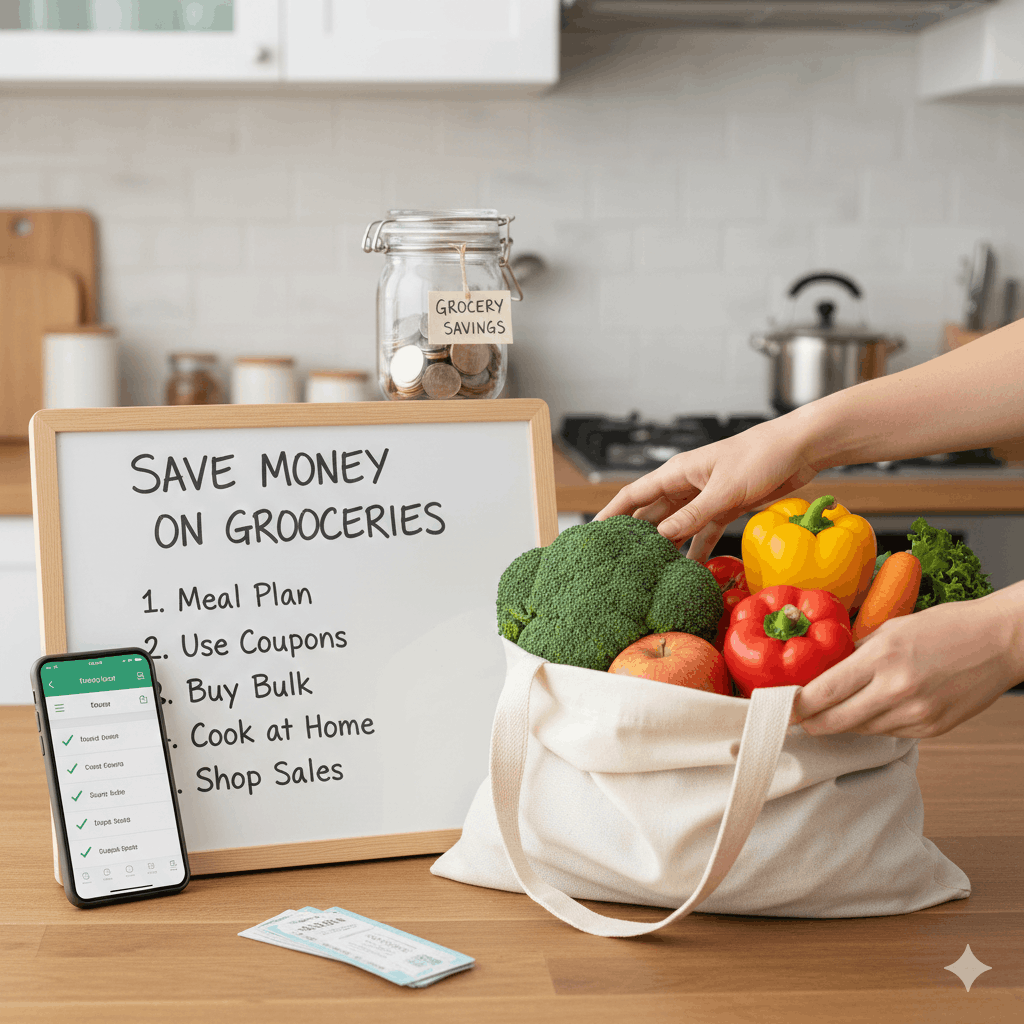
You will not need complicated rules. You will need a few consistent habits that keep grocery spending control in your hands.
Why grocery spending gets out of control even with good intentions
Most people don’t overspend on groceries due to one massive mistake. It happens through small, repeated moments:
A quick stop turns into snack grabs and drinks.
A “deal” feels exciting, then sits unused.
A busy week leads to convenience foods, then another trip, then another.
A list exists, yet it’s vague, so it’s easy to add extra items.
A family grocery budget gets stretched by school lunches, weekend treats, and “just in case” shopping.
This is grocery expense management in plain language: your grocery bill grows when the plan is not specific enough to guide decisions inside the store. That is why smart grocery shopping starts before you enter the store.
A stable grocery budget planning approach needs three parts:
A number you can stick to.
A list system that prevents random purchases.
A meal plan that uses what you buy.
When those three exist, you can reduce grocery bill totals without feeling restricted.
The baseline step most people skip (and why it matters)
You can’t cut grocery costs if you don’t know what you currently spend. Many people guess too low, then feel frustrated. A baseline makes the monthly grocery budget realistic.
Make your current number clear in 10 minutes
Check the last 4 to 8 weeks of spending. Do not try to categorize every item yet. Just find your grocery totals.
If your grocery spending tracker includes big-box receipts, separate food from non-food items if possible. If you buy household supplies in the same trip, note that in your tracking. This is still expense tracking groceries, even if it’s not perfect.
Turn it into a monthly grocery budget and a weekly target
Add your last 4 weeks of grocery spending.
Example:
Week 1: 90
Week 2: 115
Week 3: 105
Week 4: 100
Total: 410 for 4 weeks
Now you have a simple monthly grocery budget starting point: 410.
If you want weekly grocery savings, don’t slash it in half. Aim for a small reduction that you can repeat. A realistic grocery budget plan often starts with 5 to 10 percent lower.
Using the example:
410 x 0.90 = 369
That’s a 41 monthly cut. Over 12 months, that is 492 saved. That is grocery cost reduction that feels achievable.
This kind of math is the “good stats” that matter most, since they connect your grocery savings plan to real results.
Set your grocery budget number without guilt
Budget grocery shopping fails when the number is more wish than reality. A grocery budget should match your household size, cooking time, and food preferences.
The two-number budget: normal weeks and heavy weeks
Most households have weeks that cost more:
Guests
Birthdays
School events
Stock-up trips
Instead of pretending those weeks won’t happen, create two numbers:
A normal weekly number
A higher weekly number you allow once or twice a month
This helps grocery spending control, since it prevents the “blown budget, give up” cycle.
A family grocery budget needs its own rules
Household grocery savings improves when everyone understands the plan. A family grocery budget often breaks for two reasons:
Snack spending is not planned.
Lunches and drinks are not planned.
Plan for those categories up front. You’ll spend less and argue less.
The anti-random shopping system that stops impulse buys
To save money on groceries, you need a list that guides decisions. A vague list does not help. A strong list reduces grocery impulse control stress because it tells you what to do.
Grocery list planning that blocks random stuff
Use a two-part list:
List A: Must-buy items
List B: Optional items (only if budget space remains)
This is grocery list budgeting that stays flexible without becoming chaotic.
Smart grocery lists use category order
Organize your list the way you walk the store:
Produce
Proteins
Dairy
Pantry
Frozen
Household (if needed)
That reduces wandering. Wandering increases spending.
Stick to grocery list with a short rule
If it’s not on List A or List B, it doesn’t go in the cart.
This one rule helps avoid impulse buying groceries without creating a strict mindset.
Shop groceries with cash for a fast reset
If you overspend often, shop groceries with cash for a month. Cash makes the total feel real.
If you want structure, try a grocery budget envelope. Put your weekly grocery amount in an envelope. This is the envelope method groceries approach in a modern form. If the money runs out, the trip ends. It sounds intense, yet it often creates instant awareness.
Meal planning to save money without complicated recipes
Meal planning to save money works when it is repetitive and flexible. Fancy plans fail when life gets busy.
Budget meal planning that fits real schedules
Pick:
3 dinner ideas you can repeat
2 backup meals for busy nights
1 “use what’s left” meal
That is cheap meal planning that prevents extra trips.
Weekly meal prep budget that reduces midweek spending
Midweek “top-up” trips are expensive. A weekly meal prep budget approach reduces that.
Do a short prep once a week:
Wash produce you know you’ll eat
Cook one large batch of a staple
Make a simple lunch option
This supports weekly grocery shopping strategy and helps you shop groceries less often.
Low-cost meal ideas that keep variety
Low-cost meal ideas should share ingredients across meals. That reduces waste and creates a pantry stocking strategy that makes sense.
A few examples that work for many households:
Rice bowls with seasonal vegetables
Pasta with a simple sauce and a protein
Egg-based meals with leftovers
Soup with beans and lentils
This supports cook from scratch savings and reduces eating out costs.
Grocery shopping frequency and why fewer trips usually cost less
Grocery shopping frequency affects spending more than most people realize.
Daily small trips create more chances for impulse spending.
One planned trip creates fewer decision points.
If you can, use biweekly grocery shopping for shelf-stable groceries and freezer items, then do one small weekly produce trip. That pattern supports frugal grocery shopping and avoids the “empty fridge panic.”
Pricing skills that beat “sale signs”
Saving money on groceries is easier when you understand pricing. Many shoppers get trapped by labels like “family pack” or “special offer.”
Unit price comparison in plain language
Unit price comparison means checking the price per unit groceries, not the price of the package.
Use price per ounce comparison for items like cereal, yogurt, snacks, and cheese.
Use price per unit groceries for items like paper goods and eggs.
This habit is the fastest way to compare grocery prices without guessing.
Grocery price comparison without driving all over town
Grocery price comparison can save money, yet driving to five stores can waste time and fuel.
Use a simple approach:
Pick one main store.
Pick one backup store for selected categories.
Some people find that cheapest grocery stores for staples are different from low-cost grocery stores for produce. Test this by tracking 10 common items for two weeks. That is grocery price tracking that stays realistic.
If you use apps, grocery price comparison apps can help. Grocery shopping apps can help with list building too. Keep it minimal so it stays consistent.
Store brand vs name brand: where savings are real
Store brand vs name brand choices can cut grocery costs fast.
Generic brand groceries often match name brands for basics:
Oats
Rice
Pasta
Frozen vegetables
Canned food
Private label groceries can be a major store brand savings lever. If one store’s store brand tastes off for a specific item, buy the name brand for that item only. Buy generic groceries where it truly works for your household.
Deals, coupons, and rewards without overspending
Grocery deals and discounts can help. They can also trick you into buying extra items.
The one rule for coupons
Only use grocery coupons for items already on your list.
That keeps grocery couponing tips practical, not chaotic. Digital grocery coupons are often easier to track than printable grocery coupons. Extreme couponing groceries can work for some people, yet it often leads to stockpiles of items you don’t use. The goal is lower food expenses, not a full closet of random products.
Cashback apps for groceries and rebate apps
Cashback apps for groceries and grocery rebate apps can reduce costs for planned purchases. The trap is buying something only for a rebate.
Use a short rule:
Rebates only for items you were going to buy anyway.
Loyalty programs and memberships
Grocery loyalty programs and store rewards programs can help lower prices on staples and earn discounts over time. Grocery store memberships at warehouse clubs can work well for big households. They are not a requirement for everyone.
Bulk buying groceries and warehouse shopping without waste
Bulk buying groceries helps when:
You use the item often.
You can store it safely.
You won’t get bored of it.
It won’t spoil.
Buy groceries in bulk for pantry staples and freezer staples. That includes rice and pasta budget staples, oats cheap breakfast staples, and some frozen items.
Wholesale grocery shopping and warehouse club savings
Wholesale grocery shopping can lower per-unit costs. Warehouse club savings often show up in:
Paper goods
Frozen proteins
Cheese
Rice
Oats
Laundry basics
Costco grocery savings and Sam’s Club grocery savings are common reasons families use warehouse clubs. That said, a family grocery budget can get destroyed at warehouse stores if you treat it like entertainment. Stick to your list.
Stock up on groceries with a clear plan
Stock up on groceries during your normal-use items sales cycles, not random sale items.
Grocery sales cycles often rotate every few weeks. Grocery sale timing matters most for packaged staples and some meats. When you see a true low price on a staple you use, buy a reasonable amount that fits your pantry stocking strategy.
Reduce food waste to reduce your grocery bill
To save money on groceries, nothing beats eating what you already bought. Food waste is like throwing money away.
Food waste reduction tips you can follow
Do a short fridge reset before shopping:
Check what is about to expire.
Plan one meal around those items.
This is fridge organization savings in action.
Freeze food to save money
Freeze food to save money by freezing:
Bread
Cooked rice
Cooked beans
Meat portions
Leftovers you won’t eat in two days
Use food storage tips like labeling containers with dates. A rotating pantry system helps too.
Grocery inventory management that stays simple
You don’t need a complicated system. Use first in first out groceries:
Older items in front.
Newer items in back.
That is pantry organization savings that keeps you from buying duplicates.
Leftover meal ideas that prevent “takeout panic”
Use leftovers efficiently with meals that accept random ingredients:
Stir-fries
Soups
Omelets
Rice bowls
Pasta bakes
This is home cooking savings and it reduces eating out costs without a strict mindset.
Avoid convenience foods and still eat well
Convenience foods cost more per serving. They can be useful in certain seasons of life, yet daily dependence raises totals.
Cook from scratch savings without spending hours
Scratch cooking cost savings does not mean baking everything from scratch. It means choosing a few homemade meals budget staples that replace pricey ready-made items.
A few realistic swaps:
Cook a large pot of beans and lentils.
Make a simple sauce.
Make a large batch of rice.
Prep vegetables once per week.
Batch cooking budget meals can make weeknights easier. Slow cooker budget meals help too since they use cheaper cuts and stretch flavors across servings.
Cheap healthy meals and nutritious low-cost foods
Healthy grocery shopping on a budget is possible when you build meals around inexpensive staples and affordable protein sources.
Affordable protein sources that stretch far
Cheap protein foods often include:
Beans and lentils savings staples
Eggs budget protein
Canned fish (when priced well)
Frozen chicken savings options
Tofu and other plant proteins
Buy whole chicken savings can be real if you use the whole bird. Stretch meat budget by using meat as a flavor, not the entire plate. Meatless meals savings can cut costs fast without feeling like deprivation.
Plant-based budget meals can be very affordable. Vegetarian grocery savings often come from beans, lentils, rice, oats, seasonal vegetables, and simple sauces. Vegan grocery budget planning works best when snacks and specialty items stay limited.
Low-cost staples that support many meals
Rice and pasta budget staples: easy base for many meals
Potatoes budget staple: filling and flexible
Oats cheap breakfast: one of the cheapest breakfasts per serving
Seasonal produce savings
Seasonal produce savings is one of the easiest wins. Buy seasonal fruits and vegetables when prices drop. Local produce savings can show up at farmers markets in peak season. Farmers market deals vary by location, yet they can be great for certain items.
Frozen vegetables savings are strong when fresh produce is expensive. Canned food savings can help for tomatoes, beans, and some fruits. Shelf-stable groceries help you shop less often and reduce grocery shopping frequency stress.
Snacks and lunches: the hidden budget breakers
Many grocery budgets fail on snacks and drinks, not dinners.
Homemade snacks budget
Homemade snacks budget planning can save a lot:
Popcorn kernels
Homemade yogurt bowls
Simple baked items
Fruit plus a protein
Bread baking savings can work for some households, yet it’s optional. If baking feels like a chore, skip it.
Pack lunches to save money
Pack lunches to save money by keeping it simple:
One sandwich option
One leftovers option
One quick bowl option
School lunch savings often come from planning lunches the same day you plan dinners. This prevents morning panic spending.
Grocery inflation tips that keep your budget steady
When prices rise, many people panic-buy or chase deals that don’t fit. Beat grocery inflation with calm substitutions and a stronger plan.
Smart shopping during inflation
Swap expensive items for cheaper alternatives that still work in meals.
Use frozen and canned options more often when fresh prices rise.
Buy in-season to save money.
Plan meals around sales and shop sales grocery strategy patterns.
Grocery cost control inflation habits are less about extreme cuts and more about flexibility. A realistic grocery budget plan includes substitutions, not perfection.
Discount channels and smart deal hunting
Discount grocery shopping can be useful if you know where quality is reliable.
Clearance grocery finds can be great for shelf-stable groceries and some frozen items.
Markdown groceries can work for items you will use right away.
Dented can discounts are often safe if the can is not swollen, leaking, or badly damaged.
Near-expiry grocery deals can be great if you freeze or use the items quickly.
Flash food apps can help in some locations. Surplus grocery stores and outlet grocery stores can offer big savings on packaged goods. Discount food stores vary by area, yet many people find strong value in them for staples.
Ethnic grocery store savings can be excellent for spices, rice, lentils, produce, and certain meats. International grocery shopping deals often appear in bulk sections and fresh produce. Cash-and-carry groceries can be useful for larger households.
Many people compare chains for supermarket comparison savings. Aldi grocery savings and Lidl grocery savings can be strong for staples. Walmart grocery savings can show up with large packs and store brands. Warehouse clubs offer Costco grocery savings and Sam’s Club grocery savings for bulk items.
Pick the stores that fit your household grocery savings goals, then stay consistent.
Online grocery savings and delivery cost control
Online grocery savings can happen when online ordering reduces impulse buys. It can backfire if delivery fees stack up.
Curbside pickup budget rules
Curbside pickup budget can work well since it blocks wandering aisles.
Avoid delivery fees groceries by choosing pickup when possible.
Grocery delivery cost control improves when you use delivery only for planned orders, not emergency snacks.
Some regions offer price lock grocery programs or grocery price freeze deals on selected items. Subscription grocery savings can exist, yet only if you already order regularly and the total fees stay lower than the savings.
A simple grocery spending tracker that keeps you consistent
A grocery spending tracker does not need to be fancy. The goal is to notice patterns.
Track:
Total spent per trip
What caused overspending
Which items went to waste
This is grocery spending control in practice. Expense tracking groceries helps you adjust without guilt.
A good rhythm:
Weekly check-in: compare your total to your weekly target.
Monthly check-in: check if the monthly grocery budget stayed on track.
If the number missed, treat it as a grocery budget reset, not failure. Adjust the plan and keep going.
Budget grocery challenges that actually help
Short challenges can reset habits.
No-spend grocery week
A no-spend grocery week means no full grocery trip. Use what you have. Buy only true essentials like milk or produce if needed.
Pantry challenge savings
Pantry challenge savings comes from using shelf-stable items you already own. This also helps reduce food waste.
Budget grocery challenges work best when they feel doable. The point is learning what your household can cook without constant shopping.
Common mistakes that raise the grocery bill
Shopping hungry
It increases impulse spending and snack grabs.
Shopping without a plan for leftovers
Then leftovers spoil and you buy more food.
Buying bulk without storage and usage plans
Bulk buying groceries saves money only when the food gets eaten.
“Deal chasing” without a list
Coupons and markdown groceries can create extra spending when they push random purchases.
Too many store trips
Frequent trips increase temptation and convenience spending.
Wrap-up: the fastest path to save money on groceries without random stuff
To save money on groceries, build a system that protects your budget inside the store. Set a realistic monthly grocery budget based on your real spending. Use grocery list planning with an essentials list and an optional list. Stick to grocery list rules to stop random stuff. Use meal planning to save money by repeating meals with shared ingredients. Learn unit price comparison and store brand vs name brand value so you can compare grocery prices quickly. Reduce food waste with a rotating pantry system, first in first out groceries, freezer habits, and leftover meal ideas. Keep snacks and lunches planned so the budget doesn’t collapse midweek. When inflation hits, use substitutions, buy in-season to save money, and plan meals around sales.
That is grocery budgeting strategies in real life. It works for cheap grocery shopping, affordable grocery shopping, and healthy grocery shopping on a budget.


