GoMyFinance.com Invest: ETFs, Index Funds, and Long-Term Basics
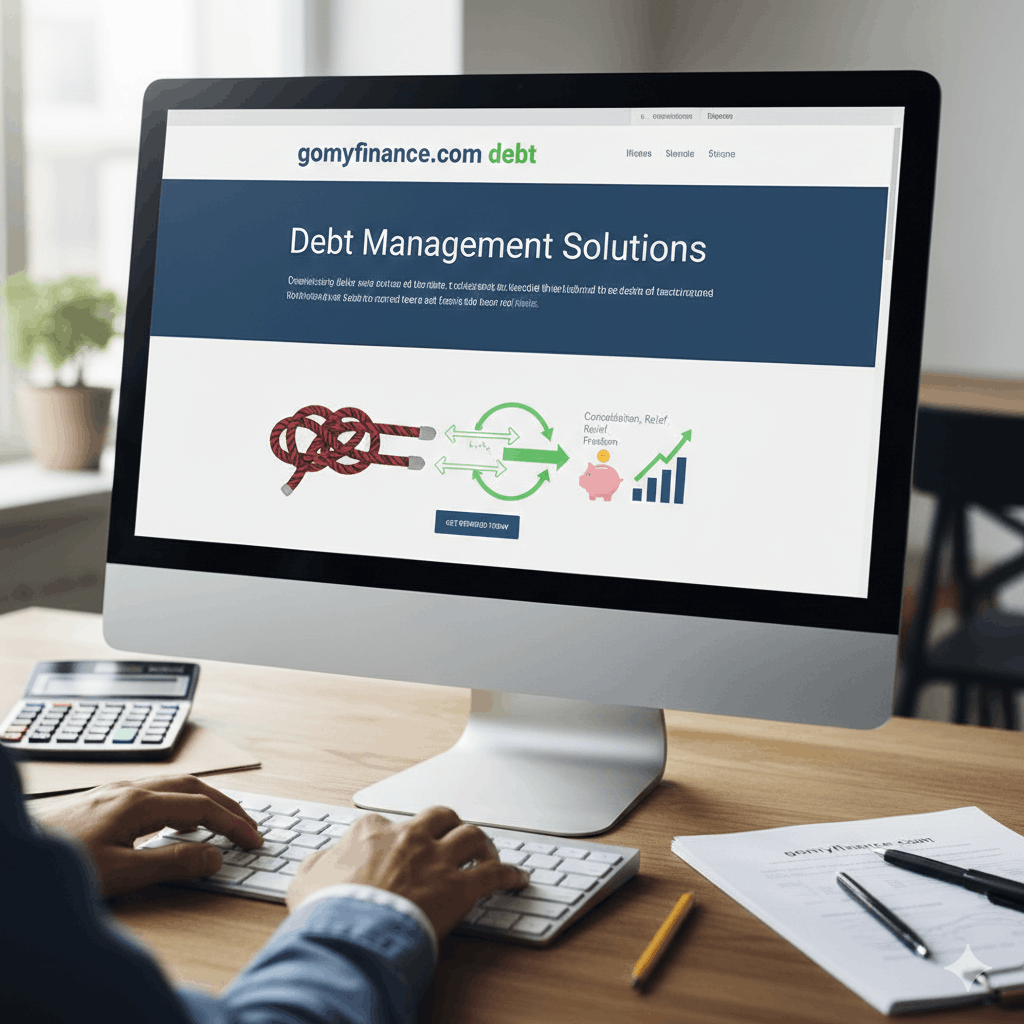
If you searched gomyfinance.com debt, you’re probably trying to solve a real problem, not win an argument online. Debt changes your monthly cash flow, your stress level, and the choices you can make next. It also changes how investing should look for you right now. That’s why this guide treats gomyfinance.com debt and GoMyFinance investing as one connected plan, not two separate topics.
This article is written as a GoMyFinance debt guide for people who want a real life approach: clear steps, a sustainable debt plan, and a smart way to move into ETFs, index fund investing, and long term investing once the pressure starts to lift. You’ll see GoMyFinance debt management ideas, debt payoff methods, a debt repayment plan structure, debt consolidation options, debt tools you can track, and the long term basics of investing for beginners.

The order that makes most sense: debt first or invest first?
People often start with the question, “Should I invest or pay off debt?” The better question is, “Which decision improves my cash flow and lowers my risk the fastest?”
For many households, gomyfinance.com debt guidance starts with a simple truth: high interest debt can block wealth building strategies. If a credit card charges you a high rate, every month you carry that balance creates a guaranteed cost. Investing returns are never guaranteed year to year, so paying down GoMyFinance high interest debt can be the cleaner move in the early stage.
Still, there are cases where investing can happen while you work through GoMyFinance debt planning:
- A retirement plan match at work can be worth taking, even while you follow a GoMyFinance debt repayment plan.
- Low rate, fixed debt can be handled with a GoMyFinance long term debt plan while you also build a diversified portfolio.
- If your income is variable, an income based plan that keeps you consistent can beat an “all or nothing” approach.
This is the core idea behind GoMyFinance personal finance debt and investing together: you build stability first, then growth.
What gomyfinance.com debt usually covers
The gomyfinance.com debt topic is not one single thing. It includes debt basics, payoff systems, budgeting, tools, and the behavior side that keeps the plan from falling apart.
A solid GoMyFinance debt guide tends to cover:
- GoMyFinance debt basics: how balances grow, why minimum payments keep you stuck, and what interest really costs.
- GoMyFinance debt strategies: snowball, avalanche, consolidation, and a debt management plan.
- GoMyFinance debt and budgeting: cash flow setup, expense control, overspending triggers, and a debt monthly plan.
- GoMyFinance debt tools: a debt tracker, debt calculator, and a way to see a debt payoff timeline.
- GoMyFinance debt and credit score: how utilization, payment history, and missed payments change your credit profile.
- The transition to investing: investment fundamentals, ETF investing, index fund investing, buy and hold strategy, and portfolio rebalancing.
This guide follows that same structure so a search for gomyfinance.com debt lands on a plan you can use.
Debt types that change your plan
Not all debt behaves the same. Your GoMyFinance debt planning should start by sorting the debt into types, then deciding which to attack first.
GoMyFinance unsecured debt
Unsecured debt has no collateral backing it. GoMyFinance credit card debt and many personal loan debt balances fall here. Unsecured debt often carries higher rates, so it can grow fast and put pressure on your debt cash flow.
GoMyFinance secured debt
Secured debt is tied to an asset. Auto loan debt and mortgage debt are common secured debts. Rates can be lower, terms can be longer, and the lender has a claim on the asset if you stop paying.
Student loan debt
GoMyFinance student loan debt often has its own rules, repayment options, and timelines. Some people use an income based plan, which can be helpful when income is low or unstable. It still needs a long term debt plan, not a vague hope.
Personal loan debt
GoMyFinance personal loan debt can be helpful when it replaces high interest debt with a lower rate, yet it can also become a trap if spending continues.
The point of this section is simple: your GoMyFinance debt strategies should treat high interest debt like an emergency, while lower rate secured debt can be handled more calmly.
The first move: build a clear debt snapshot
Before GoMyFinance debt payoff methods, you need a clean list. This single step improves debt discipline because it removes the “I’m not sure” feeling.
Create a simple tracker with:
- Balance
- Interest rate
- Minimum payment
- Due date
- Type (credit card, personal loan, auto, student loan, mortgage)
That tracker becomes your GoMyFinance debt tracker, even if it’s just a note on paper. You can later move it into GoMyFinance debt tools or any debt calculator format you like.
This is the start of GoMyFinance debt step by step.
GoMyFinance debt and budgeting: the cash flow plan that actually works
A debt plan fails when it lives only in your head. It works when it lives in your monthly cash flow.
Start with debt cash flow, not motivation
Debt cash flow is the reality of money in and money out. Start by writing down your monthly take home income. Then list fixed expenses. Then list minimum debt payments. What is left is your room to breathe.
If the leftover number is tiny, the plan must focus on expense control and increasing breathing room first.
Expense control without punishment
GoMyFinance debt expense control is not about removing every good thing from your life. It’s about stopping leaks that don’t improve your life.
Common overspending triggers:
- Subscriptions you forgot
- Takeout that happens on autopilot
- Shopping used as stress relief
- “Small” daily spending that becomes a big monthly total
Pick one or two categories to tighten. That alone can fund extra payments and change your debt payoff timeline.
Build a small GoMyFinance debt emergency fund
People skip this step, then one surprise forces them back onto credit cards. A small buffer protects your GoMyFinance sustainable debt plan.
A simple target:
- Start with a small amount that covers one minor surprise
- Grow it slowly while you pay off high interest debt
This buffer supports debt freedom because it prevents new debt.
GoMyFinance debt payoff: snowball vs avalanche
Most people want a clean answer: GoMyFinance debt snowball or GoMyFinance debt avalanche. Both can work. The better method is the one you can follow for months.
GoMyFinance debt snowball
The snowball method pays the smallest balance first, while paying minimums on the rest. When the smallest debt is cleared, you roll that payment into the next one.
Why it works: momentum. Quick wins can improve debt mindset and keep you consistent.
GoMyFinance debt avalanche
The avalanche method targets the highest interest rate first, while paying minimums on the rest. When the highest rate debt is cleared, you move to the next highest rate.
Why it works: interest savings. It can reduce the total cost.
A simple comparison with real numbers
Imagine three debts:
- Credit card A: balance 1,000, rate 28%, minimum 35
- Credit card B: balance 3,500, rate 22%, minimum 90
- Personal loan: balance 8,000, rate 11%, minimum 175
You have 250 extra each month beyond minimums.
Snowball: extra goes to the 1,000 balance first. You clear it fast, then your monthly plan feels easier.
Avalanche: extra goes to the 28% debt first too, since it’s also the highest rate. In this case, both begin the same.
Now change it:
- Credit card A: balance 1,000, rate 18%
- Credit card B: balance 3,500, rate 29%
- Personal loan: balance 8,000, rate 11%
Snowball still hits the 1,000 first. Avalanche hits the 29% first.
If the higher rate debt is large, avalanche can create large interest savings. If you feel overwhelmed, snowball can be the better GoMyFinance debt advice because it keeps you moving.
The main rule in gomyfinance.com debt planning: pick one method, write it down, follow it for at least a few months, then review.
The GoMyFinance debt repayment plan template
A GoMyFinance debt repayment plan is just a set of repeatable rules.
The monthly plan
Your GoMyFinance debt monthly plan can look like this:
- Pay minimums on every debt
- Send extra money to one target debt (snowball or avalanche)
- Track the new balances once per month
- Do one small spending reset each month
This is GoMyFinance debt planning that you can run even during busy months.
Income based plan for variable income
If your income swings, a fixed plan can break. A GoMyFinance debt income based plan can help:
- Set a “minimum month” payment plan that you can always meet
- Set a “good month” rule: a percent of extra income goes to debt payoff
- Keep the same payoff target debt so the plan stays simple
That keeps your GoMyFinance long term debt plan stable.
Payoff timeline that stays realistic
A GoMyFinance debt payoff timeline becomes realistic when you use:
- Your actual cash flow
- A consistent extra payment target
- A plan for surprise expenses
- A plan for overspending triggers
Your goal is debt reduction you can repeat, not a short burst that collapses.
GoMyFinance debt consolidation and a debt management plan
People often jump to consolidation because it feels like progress. It can help, yet it can also hide the real issue.
When GoMyFinance debt consolidation can help
Consolidation can help when it:
- Lowers the interest rate
- Simplifies multiple payments into one
- Fits your budget without stretching it
- Comes with a clear rule to stop new credit card debt
This is GoMyFinance debt solutions that can reduce stress and speed debt elimination.
When consolidation does not fix the problem
Debt consolidation does not fix:
- Overspending habits
- No budget structure
- No emergency fund
- New charges going onto paid down cards
That’s why GoMyFinance debt and budgeting must sit next to GoMyFinance debt consolidation.
Debt management plan basics
A debt management plan often involves working with a program that negotiates rates and sets a structured repayment schedule. This may fit when payments feel unmanageable and you need structure.
If you choose that path, the GoMyFinance debt step by step approach stays the same: track, budget, follow the plan, protect the emergency buffer, stop new debt.
GoMyFinance debt tools: tracker, calculator, and progress checks
People stick with plans they can see.
GoMyFinance debt tracker
A debt tracker should show:
- Total debt balance
- Each debt balance
- Minimum payments
- Extra payment amount
- Debt payoff timeline estimate
Updating it once per month is enough. Daily checking often increases anxiety.
GoMyFinance debt calculator
A debt calculator helps you compare methods and see interest savings. The most helpful features are:
- Snowball vs avalanche comparison
- Estimated debt free date
- Total interest paid under each method
- What happens if you add a small extra payment
This is GoMyFinance debt education that becomes practical.
Progress metrics that keep you motivated
Instead of staring at the total balance, track:
- Number of debts left
- Total minimum payment amount
- Total interest charged each month
- Cash flow regained after each payoff
That’s a real life approach to GoMyFinance debt freedom.
GoMyFinance debt and credit score: what changes as you pay down debt
Many people search gomyfinance.com debt because they also want credit improvement.
Credit card debt and utilization
GoMyFinance credit card debt affects utilization, which often influences credit scoring. Lower balances can help, even before you fully pay off the card.
Missed payments and late marks
Paying down debt helps, yet missed payments still hurt. The GoMyFinance debt discipline rule here is simple: set autopay for minimums if possible, then add manual extra payments.
Debt credit improvement that takes time
Some changes are fast, like utilization. Some are slower, like building a history of on time payments. Your GoMyFinance realistic debt plan should assume credit improvement is gradual.
The bridge to investing: when you can start investing for beginners
Now we move to the title topic: GoMyFinance.com Invest and long term basics.
The bridge is not “debt is gone.” The bridge is “my plan is stable.”
You may be ready to start investing while working through gomyfinance.com debt if:
- Your monthly plan is consistent
- High interest debt is shrinking in a visible way
- You have a small emergency fund
- You are not adding new credit card debt
- Your cash flow is predictable enough to invest monthly
That is financial planning and investing with discipline.
Investment fundamentals for a debt focused investor
Debt and investing are connected through cash flow. When debt payments drop, you regain money you can invest. When investing grows, it can support long term wealth creation.
Long term investing basics
Long term investing is built on:
- Time
- Consistency
- A diversified portfolio
- Asset allocation strategy
- Staying invested through market drops
If your debt plan is already consistent, you already have the habit muscle needed for investing.
Risk management investing
Risk in investing shows up as price swings. Your debt plan already taught you risk control through emergency buffers and stable routines. Investing uses the same mindset.
ETFs, index funds, and mutual funds in plain language
This section is the heart of GoMyFinance.com Invest: ETFs, index funds, and long term basics.
ETF investing
ETF investing uses funds that trade like stocks. Many ETFs track an index, so you can own a large slice of the market in one holding. ETF investing is popular for broad exposure, simple maintenance, and clear pricing.
Index fund investing
Index fund investing means your fund follows an index rather than trying to pick winners. An index fund can be an ETF or a mutual fund. Index fund investing is often used as the foundation of a beginner portfolio because it reduces single stock risk.
Mutual fund investing
Mutual fund investing is common in retirement plans and can be a fine choice. Mutual funds price once per day, rather than trading during the day like ETFs.
For investing for beginners, the simplest setup often uses broad index exposure first, then adds bonds later based on time horizon.
A beginner portfolio that respects your debt plan
A portfolio that ignores debt can push you into stress. A portfolio that respects gomyfinance.com debt realities keeps your plan stable.
Diversified portfolio structure
A simple diversified portfolio can include:
- Broad stock index exposure
- Bond exposure for stability
- A cash buffer for near term needs
The split is your asset allocation strategy. It should match your risk tolerance and time horizon.
Goal based investing for the first portfolio
Goal based investing means you invest for a purpose, not for excitement.
- Retirement investing strategy: longer horizon, often more stock exposure
- A home down payment soon: shorter horizon, less stock exposure
- Financial independence investing: long horizon, steady contributions
This keeps investment decision making grounded.
Investing while paying off debt: a tiered rule that works
This is the section many readers want from gomyfinance.com debt searches.
High interest debt tier
If you have GoMyFinance high interest debt, the plan often looks like:
- Focus most extra cash on GoMyFinance debt payoff
- Keep investing small and steady if you can, or pause until the pressure drops
- Keep the emergency buffer so new debt does not appear
Medium interest debt tier
If your debt rate is moderate:
- Keep the GoMyFinance debt repayment plan moving
- Start a small monthly investing habit in ETFs or index funds
- Use dollar cost averaging so you stay consistent
Low interest debt tier
If your debt is low rate and stable:
- Follow the GoMyFinance long term debt plan
- Build a consistent investing habit for long term growth
- Use buy and hold strategy for the core holdings
This approach links GoMyFinance debt strategies to smart investing GoMyFinance style.
Dollar cost averaging and buy and hold strategy for long term growth
You don’t need frequent trades. You need repeatable actions.
Dollar cost averaging
Dollar cost averaging means investing a fixed amount on a schedule. It helps you avoid waiting for a “perfect” moment. It also supports consistent investing habits, which matter more than short term market guessing.
Buy and hold strategy
Buy and hold strategy means you build a diversified portfolio, then hold for years. This fits investing for long term growth and keeps your attention on goals, not daily price moves.
Portfolio rebalancing without overthinking
Over time, your portfolio drifts. Portfolio rebalancing brings it back to your target allocation.
A simple method:
- Pick a target allocation
- Check once or twice per year
- Rebalance when the drift is large enough to matter
Rebalancing supports risk management investing. It is a calm maintenance move.
Tax efficient investing ideas that stay simple
Tax rules vary by country, yet the core idea is the same: keep more of your returns.
Tax efficient investing often means:
- Holding long term rather than frequent trading
- Using available tax advantaged accounts if you have them
- Avoiding strategies that create unnecessary taxable events
If you’re still in a heavy gomyfinance.com debt phase, keep this simple. The bigger win is consistency.
Debt habits, discipline, and mindset that last
Debt payoff is math plus behavior.
GoMyFinance debt habits
Good debt habits look boring:
- Track spending weekly
- Review balances monthly
- Keep a small emergency buffer
- Avoid new credit card debt
GoMyFinance debt discipline
Debt discipline often comes from rules:
- A rule for eating out
- A rule for shopping
- A rule for using credit cards
- A rule for what to do when income rises
Rules protect your GoMyFinance sustainable debt plan from impulse moves.
GoMyFinance debt mindset
A helpful mindset is to treat debt payoff like regaining cash flow. Each payoff reduces your monthly minimums. That cash flow becomes the fuel for investing and wealth building strategies later.
This is the clean path to GoMyFinance debt freedom.
Bringing it all together: a stable plan that leads to long term wealth creation
The combined plan is simple:
- Use gomyfinance.com debt tracking to see the full picture
- Build a realistic debt plan tied to cash flow
- Choose snowball or avalanche and stick with it
- Protect the emergency buffer so new debt does not replace old debt
- Use debt tools and a debt calculator to stay aware of interest savings and timelines
- Start investing when your plan is stable, using ETFs and index funds for diversified exposure
- Use dollar cost averaging and buy and hold strategy as the default
- Rebalance occasionally, not constantly
That’s GoMyFinance debt management paired with GoMyFinance.com Invest in a way that fits real life.
Final thoughts
A gomyfinance.com debt plan that works is not the most aggressive plan on paper. It’s the plan you can repeat, month after month, without breaking your life. Once your debt cash flow improves, investing becomes simpler. ETFs and index funds make it easier to build a diversified portfolio without constant decision pressure. The combination of steady debt payoff, stable budgeting, and consistent investing habits is what builds long term growth.


